April 9, 2026
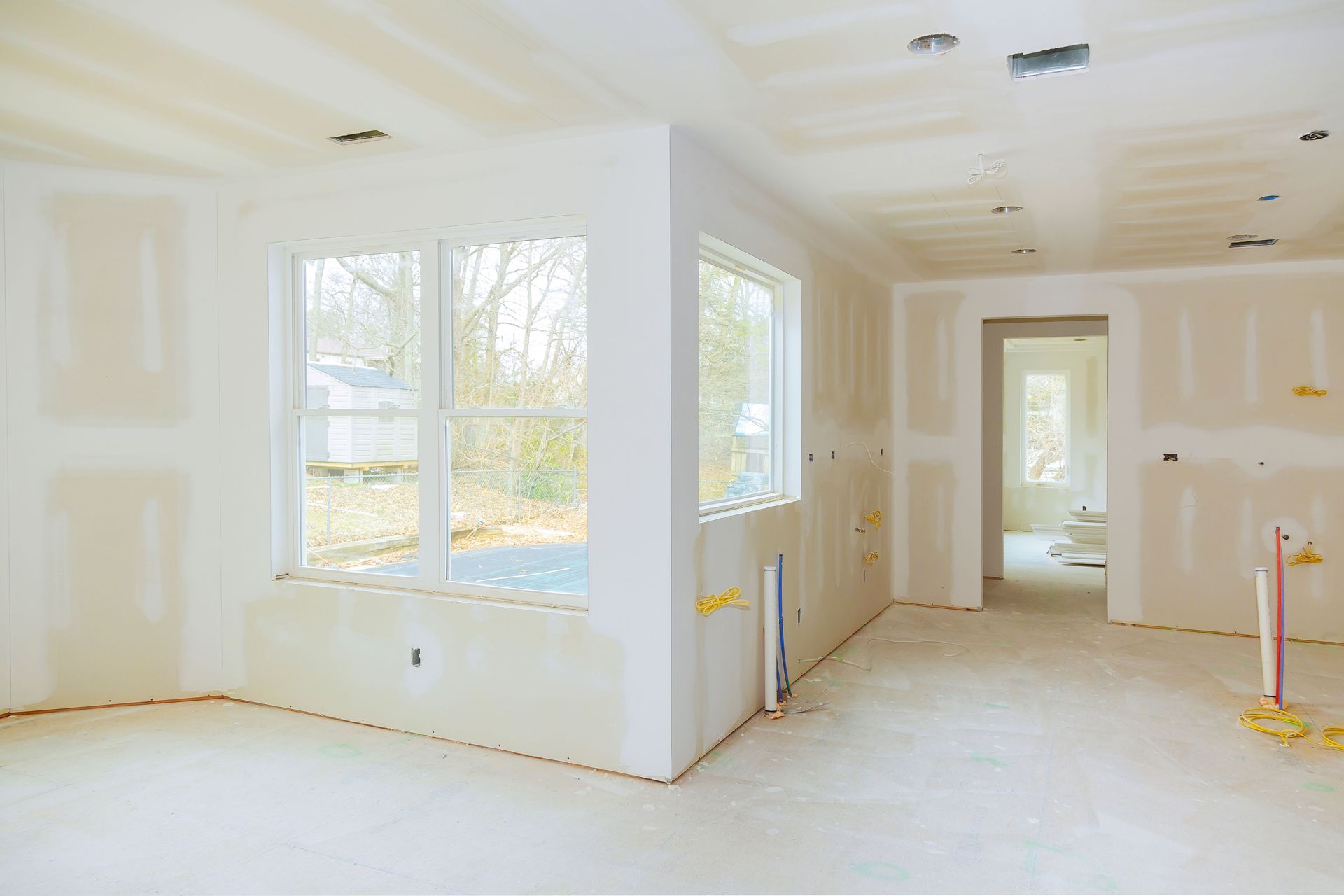
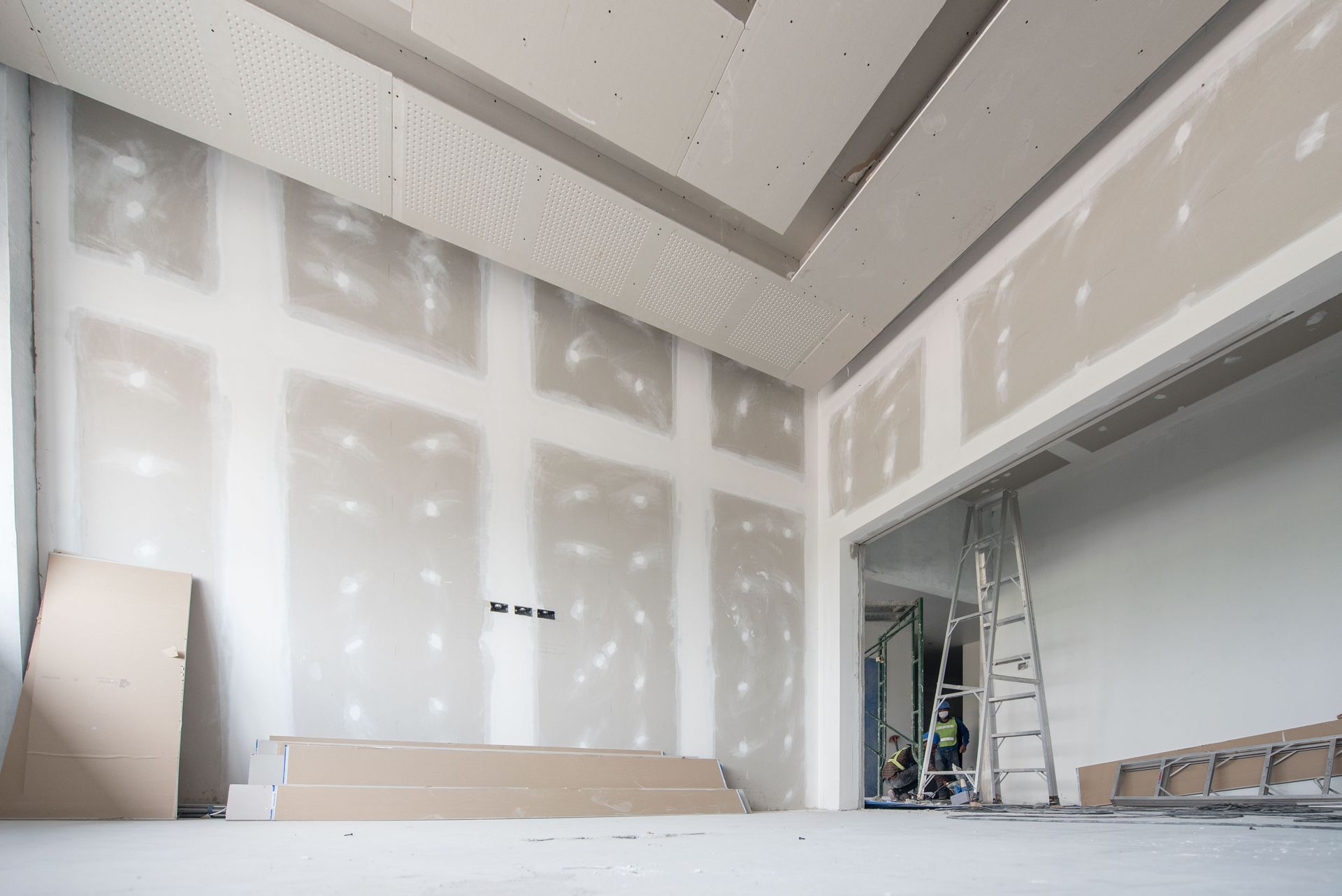
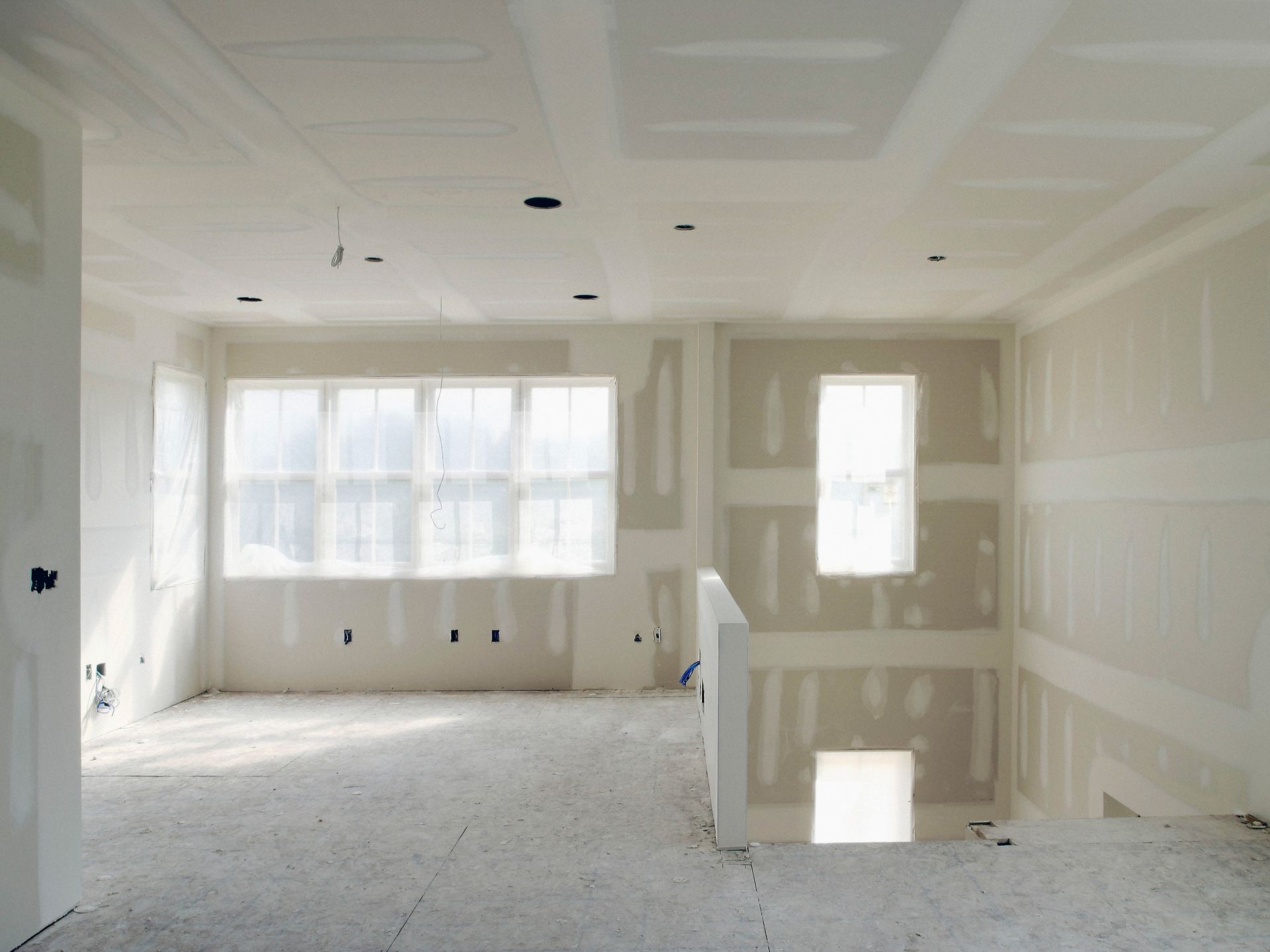
Drywall, also known as gypsum board, is an integral part of modern construction. Found in most homes and commercial buildings, its popularity is due in large part to its cost-efficiency and ease of installation. Drywall, also known as gypsum board, is an integral part of modern construction. According to ZipDo, around 75% of the material composition of drywall panels is made up of gypsum. Found in most homes and commercial buildings, drywall's popularity is due in large part to its cost-efficiency and ease of installation.
Despite these advantages, drywall is not indestructible and is often susceptible to various types of damage that require timely repair. Identifying and addressing drywall damage promptly is crucial to maintaining the structural integrity and aesthetic appeal of any building. Understanding the causes of damage and how drywall contractors repair them provides homeowners and builders with the necessary knowledge to minimize and manage these issues effectively.
1. Moisture and Water Damage
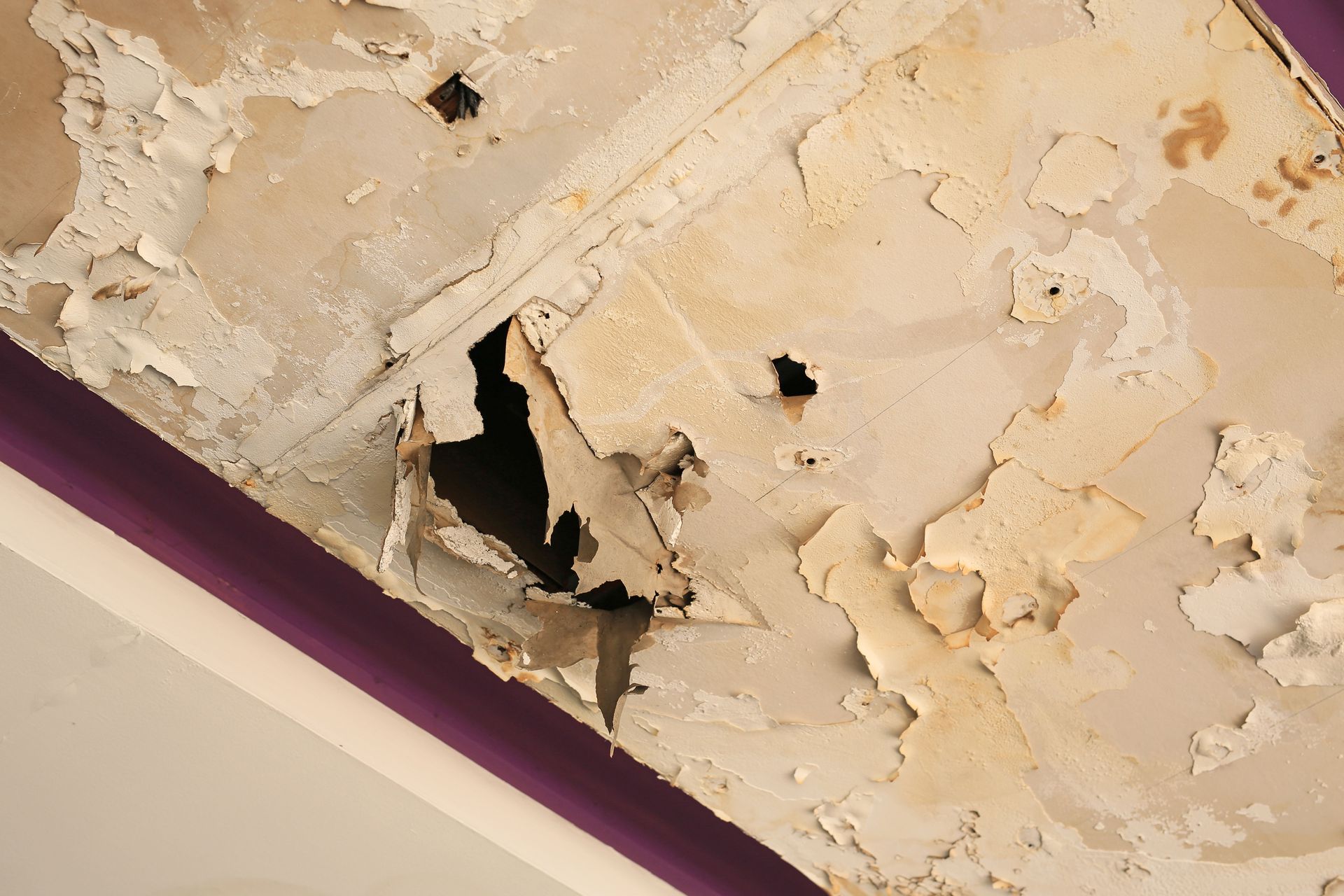
Spotting water damage in drywall is not always straightforward, as it often occurs behind walls. Signs to look for include discoloration, bloating, and soft spots on drywall surfaces. Water-damaged drywall may appear yellow or brown, and in some cases, it may even develop a musty odor from mold growth. Shrinkage or warping in drywall components can also indicate water damage, requiring closer inspection by professionals. Effective identification not only prevents further deterioration but also promotes accurate and comprehensive repairs.
Repairing water-damaged drywall typically involves replacing the affected sections and treating the area to prevent mold growth. Drywall contractors cut out damaged areas and replace them with new material for a seamless blend with existing structures. They also apply mold-resistant treatments to the surrounding area to prevent recurrence. Proper sealing and insulation are critical in this process to safeguard against future moisture issues. Professional intervention ensures that all aspects of water damage are addressed effectively.
2. Poor Installation Practices
Signs of poor installation typically become apparent as the structure settles or under minor pressure. For instance, visible seams, popping nails, and uneven surfaces are clear indicators of subpar work. Additionally, drywall that rattles or creaks under pressure often suggests inadequate securing to the framework. Such symptoms signal the need for a professional evaluation to diagnose the extent of the problem. Recognizing these signs early can prevent more significant issues from developing, such as complete wall failure.
Repairing installation flaws may involve removing and reinstalling problematic sections of drywall. If the issue is due to inadequate securing, professionals may remedy it by applying additional fasteners in the correct configuration. For surface imperfections, skimming compounds can provide a smoother finish and corrected appearance. Alternatively, complete replacement of compromised sections will provide the highest integrity. Professionals bring the experience and skills necessary to undertake these repairs efficiently, minimizing further disruption and long-term costs.
3. Physical Impact and Accidental Damage
Assessing damage extent in such scenarios involves inspecting the drywall for dents, holes, or surface cracks. For smaller impacts, the damage is often superficial and involves merely the outer paper covering of the drywall. Larger holes, however, may reveal internal structure compromise or damage to insulation material behind the wall. Professional assessment often involves probing the wall surface and interior to evaluate the full breadth of damage. Such examinations allow for tailored repair strategies that address both visible and concealed damage efficiently.
Small dents and superficial damage to drywall can typically be repaired with simple patching techniques. Drywall contractors often use spackle or joint compound to fill in indentations, followed by sanding for a smooth finish. An appropriate finish texture is then applied to match the existing wall for a seamless repair. In some cases, applying a primer and paint serves to fully integrate the repaired area with its surroundings. Repairing large holes or cracks requires more involved approaches than small dents. This type of repair often necessitates cutting out the damaged section and replacing it with a new piece of drywall. The patch is affixed with joint tape and joint compound, which is sanded to a smooth finish after drying.
4. Settlement and Structural Movement
Indicators of ongoing settlement and structural movement often appear visibly in drywall as cracks, gaps, or misalignment of architectural elements. Uneven floors, sticking doors, or windows are additional signals that structural movement may be occurring. While some minor cracks may simply be due to natural settling, significant or rapidly developing signs warrant professional inspection. Continuous monitoring is advised to differentiate between settlement-related issues and those stemming from other causes, allowing for accurate diagnostics. An informed evaluation prevents misinterpretation and allows for effective solution application.
Tackling settlement-related drywall cracks can range from cosmetic fixes to significant structural repairs. For minor cracks that don't affect the wall's structural role, filling with appropriate filler materials and repainting can suffice. In cases where wall separations or larger cracks exist, professional repair may require backer rods, crack isolation systems, or even reshoring techniques. This guarantees that repairs accommodate any further natural shifts the building may experience. Quality repair approaches in settlement cases aim to achieve longevity in both function and appearance.
5. Termite and Pest Infestation
Pest infestation, particularly by termites, can insidiously damage drywall, often going undetected until significant damage has occurred. Early indications frequently manifest as blistering or discolored surfaces where pests act behind drywall. Telltale signs of termite activity include sediment-like deposits or hollow-sounding finishes underscored by slight tapping. Tracking down minute holes or sheds in drywall could also point to underlying pest issues. Prompt identification and action can curb potential widespread damage to drywall and broader structural components.
Effective termite control demands comprehensive action plans crafted by professionals, capturing eradication through targeted chemical treatments and physical barriers. Upon locating termite colonies, treatments generally employ bait stations to contend with active insects while liquid barriers fend against future infestations. Post-eradication drywall repair encompasses replacing irreversibly damaged sections and treating adjacent areas where structural compromise might have initiated. Drywall contractors remove damaged drywall and follow proper procedures to eliminate any hidden termite nests before installing new panels.
6. Temperature and Humidity Fluctuations
Humidity levels also play a crucial role in the condition of drywall, affecting its longevity and appearance. Excessive humidity causes drywall to absorb moisture, potentially leading to swelling, sagging, or even mold growth on surfaces. Conversely, overly dry environments can make drywall brittle, causing cracks to form more easily. Identifying and regulating humidity changes staves off potential drywall damage, supporting consistent integrity. Homeowners must strike a balance in maintaining humidity levels to protect their investments.
Addressing humidity and temperature effects might involve treating or replacing areas of the drywall prone to damage. For instance, cracks induced by temperature response may need straightforward filling, while larger structural issues necessitate comprehensive replacement. Professionals may apply moisture-resistant paints or coatings to mitigate recurrence due to extreme humidity. Quality repair effectively restores wall health, but often must be combined with ongoing environmental regulation. Consistent temperature and humidity controls complement these repairs, preventing future erosion by environmental elements.
Understanding the common causes of drywall damage and the numerous professional repair techniques available is critical for maintaining the longevity and integrity of drywall installations. Utilizing professional drywall contractors for repair is a tangible investment in maintaining a property’s structural and aesthetic appeal. Regular maintenance and prompt repairs extend the useful life of drywall, and having a comprehensive understanding of potential damage causes allows for effective preemptive measures. With the collaboration of skilled drywall contractors, homeowners can achieve long-lasting results, minimizing periodic repair needs and safeguarding one of the integral components of their building. Contact the professionals at Bruno Massaro & Sons Inc to schedule expert drywall repair services and restore the appearance and integrity of your walls.