February 20, 2026
Drywall plays a critical role in your home’s structure, comfort, and appearance. When it begins to fail, the signs are often subtle at first but can quickly become serious. Recognizing when to call experienced drywall companies can help you prevent further damage and maintain a safe, attractive living space.
1. Noticing Visible Cracks Spreading Across Walls
Small hairline cracks may not always signal a major issue, but widespread or expanding cracks are a different story. If you see cracks running diagonally from doors and windows or long horizontal fractures across entire walls, your drywall may be under stress. Structural settling, moisture intrusion, or improper installation can all cause these problems. In many cases, these expanding cracks are early warning signs of deeper structural movement that should be evaluated before more extensive damage occurs.
Over time, cracks can widen and allow air leaks, moisture, and even pests to enter the wall cavity. Simply patching over them repeatedly may provide temporary relief, but recurring cracks often indicate deeper damage. When repairs fail to hold, it may be time to consult drywall services about full panel replacement rather than continued cosmetic fixes.
2. Seeing Water Stains or Discoloration Forming
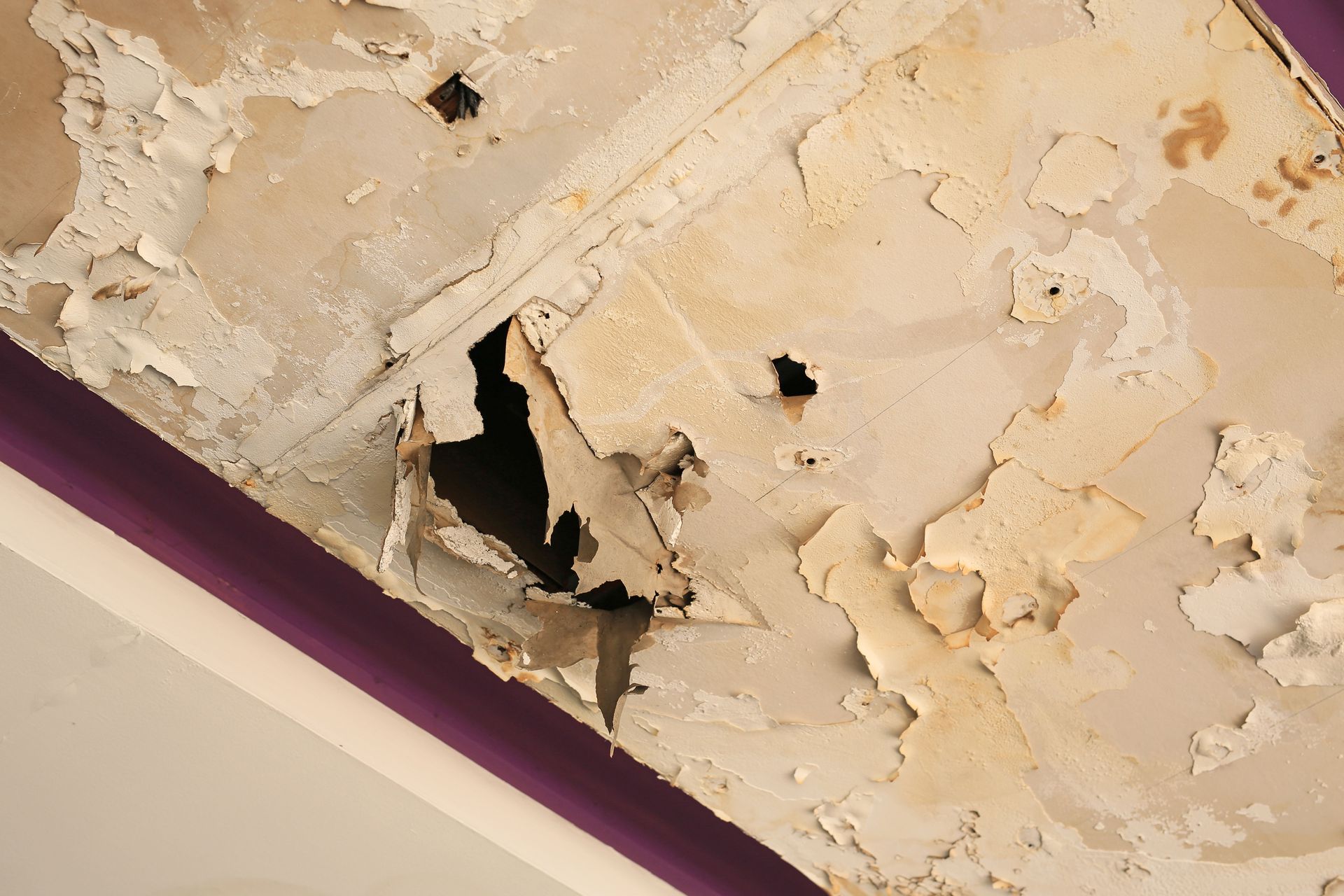
Water stains are one of the clearest signs that drywall has been compromised. Yellow, brown, or gray discoloration often points to leaks from plumbing, roofing, or condensation buildup. Once drywall absorbs moisture, it weakens and can lose its structural integrity.
In some cases, the drywall may feel soft or spongy to the touch. Even if the surface appears dry, internal damage may remain. If stains continue to reappear after addressing a leak, replacing the affected sections is usually more effective than repainting. Experienced drywall companies can identify the extent of the moisture damage and ensure that hidden issues are addressed before installing new panels.
3. Discovering Mold Growth Behind the Surface
Mold thrives in damp, dark environments, making drywall an ideal breeding ground when moisture is present. You may notice a musty odor before you see visible spots. Dark patches, fuzzy growth, or bubbling paint can all signal mold contamination.
Surface cleaning may not eliminate mold that has penetrated deeply into the drywall core. In these cases, removal is often the safest solution. Mold can pose health risks, particularly for individuals with allergies or respiratory conditions. Replacing affected drywall panels eliminates the source and allows for proper remediation of the underlying moisture problem.
4. Feeling Soft Spots or Sagging Areas
Drywall should feel firm and solid. If you press gently against a wall and notice movement, softness, or sagging, the material may be deteriorating. This is especially common in ceilings exposed to leaks or high humidity.
Sagging drywall can eventually collapse, posing a safety risk. Ceilings with visible bowing or separation from framing should be evaluated immediately. Professional drywall services can determine whether reinforcement is possible or if complete replacement is necessary to restore structural stability.
5. Observing Frequent Nail Pops or Fastener Issues
Nail pops occur when drywall fasteners push outward, creating small bumps or circles on the surface. While occasional nail pops are common as homes settle, repeated or widespread fastener issues may indicate shifting framing or poor installation.
If you continue repairing the same areas and new pops appear nearby, the drywall may no longer be securely anchored. Persistent fastener problems can weaken the overall wall system. Replacing the affected sections allows for proper fastening and finishing, ensuring a smoother, longer-lasting result.
6. Experiencing Persistent Holes and Surface Damage
Accidental impacts from furniture, doorknobs, or everyday activity can leave holes in drywall. Small dents are usually repairable, but large holes or multiple damaged areas across a wall may warrant replacement.
When patchwork becomes extensive, the wall may look uneven or poorly blended despite repainting. Replacing an entire sheet can provide a cleaner, more cohesive appearance. According to The Spruce, drywall for walls typically measures 4 feet by 8 feet, though 12-foot lengths are also available. Installing a full panel rather than piecing together multiple patches often creates a more seamless finish and improves durability.
7. Detecting Bulging or Warping Surfaces
Warped drywall is a sign that something beneath the surface has shifted or expanded. This can happen due to excess moisture, foundation movement, or temperature fluctuations. Bulges may appear gradually and worsen over time.
Warping not only affects aesthetics but can also signal hidden structural or environmental concerns. If left untreated, the drywall may crack or detach from studs. Replacing warped sections ensures a stable surface and provides an opportunity to address underlying issues before further damage occurs.
8. Smelling Lingering Musty Odors Indoors
Unexplained odors that persist even after cleaning can indicate trapped moisture or mold within the walls. Drywall absorbs moisture easily, and if it fails to dry properly, odors may linger.
When you cannot trace the smell to a specific source, the drywall itself may be compromised. Removing affected panels allows for proper inspection of insulation, framing, and other components behind the wall. Professional drywall companies can guide homeowners through safe removal and replacement while minimizing disruption.
9. Dealing with Outdated or Damaged Textures
Older homes may feature textured finishes that have deteriorated over time. Crumbling popcorn ceilings, uneven stippling, or peeling joint compound can make a room look dated and worn.
In some cases, resurfacing may be sufficient. However, if the texture is flaking extensively or the drywall beneath is damaged, replacement may provide a more reliable solution. Updating drywall not only improves appearance but also increases your home’s overall value and appeal.
10. Managing Repeated Repairs That Never Last
If you find yourself repeatedly patching the same cracks, holes, or blemishes, it may be more cost-effective to replace the drywall entirely. Continuous repairs can add up in both time and materials, and the results may still fall short of expectations.
Replacing compromised drywall panels provides a fresh start. It eliminates underlying weaknesses and creates a smooth, stable surface ready for painting or finishing. Many homeowners turn to drywall companies at this stage to ensure proper installation and long-term performance.
11. Preparing for Major Renovations or Layout Changes
Home remodeling projects often require removing sections of drywall to access plumbing, electrical systems, or framing. After significant demolition or reconfiguration, installing new drywall ensures consistency and structural integrity.
When walls are opened for upgrades, it is often more efficient to replace entire panels rather than attempting to salvage older materials. This approach results in a cleaner finish and simplifies future maintenance. Drywall companies can coordinate with other contractors to ensure a seamless transition from demolition to installation.
12. Recognizing Signs of Pest Infestation Damage
Rodents and insects can damage drywall by chewing, burrowing, or nesting inside walls. Small entry holes, scratching sounds, or crumbling material near baseboards may signal pest activity.
Once pests have compromised drywall, simple patching may not address the full extent of the damage. Replacing affected sections allows for thorough inspection and treatment. Ensuring the wall cavity is properly sealed and reinforced helps prevent future infestations.
Recognizing these signs early can help you avoid more extensive and costly repairs. While minor issues may be repairable, persistent or widespread damage often calls for replacement. Working with experienced drywall companies ensures that your home’s walls remain strong, safe, and visually appealing for years to come. If you are looking for a reliable company for your home's drywall, contact Bruno Massaro & Sons Inc today to learn more and get started!