June 8, 2026
The walls and ceilings of a home do far more than define its visual character — they protect structural systems, regulate thermal and acoustic performance, and contribute to the overall integrity of the interior environment over decades of daily use. Drywall is the most commonly used interior wall material in modern residential construction, and how long it holds up depends on a combination of factors that range from the quality of the installation to the conditions the material faces throughout its service life. Many homeowners do not think about their drywall until visible damage appears, but understanding what influences durability gives you the knowledge to protect your investment and address developing issues before they require more extensive remediation. The following eight factors are among the most significant contributors to how well or how poorly drywall performs in a residential setting over time.
1. The Quality of the Initial Installation
According to HomeGuide, drywall installation requires heavy labor and usually involves at least two workers since each panel weighs between 50 and 60 pounds, which speaks to the physical demands of the work and why professional expertise makes such a measurable difference in the outcome of every installation project. Local drywall companies with experienced crews understand how to handle, position, fasten, and finish panels in a way that creates a surface that resists the cracking, sagging, and separation that poorly installed drywall develops within a relatively short period of normal residential use. The precision of the fastening pattern, the correct spacing from corners and edges, and the proper application of joint compound at every seam are all details that professionals get right consistently and that DIY or inadequately supervised installations routinely get wrong in ways that shorten the material's effective service life.
2. Moisture Exposure and Humidity Levels
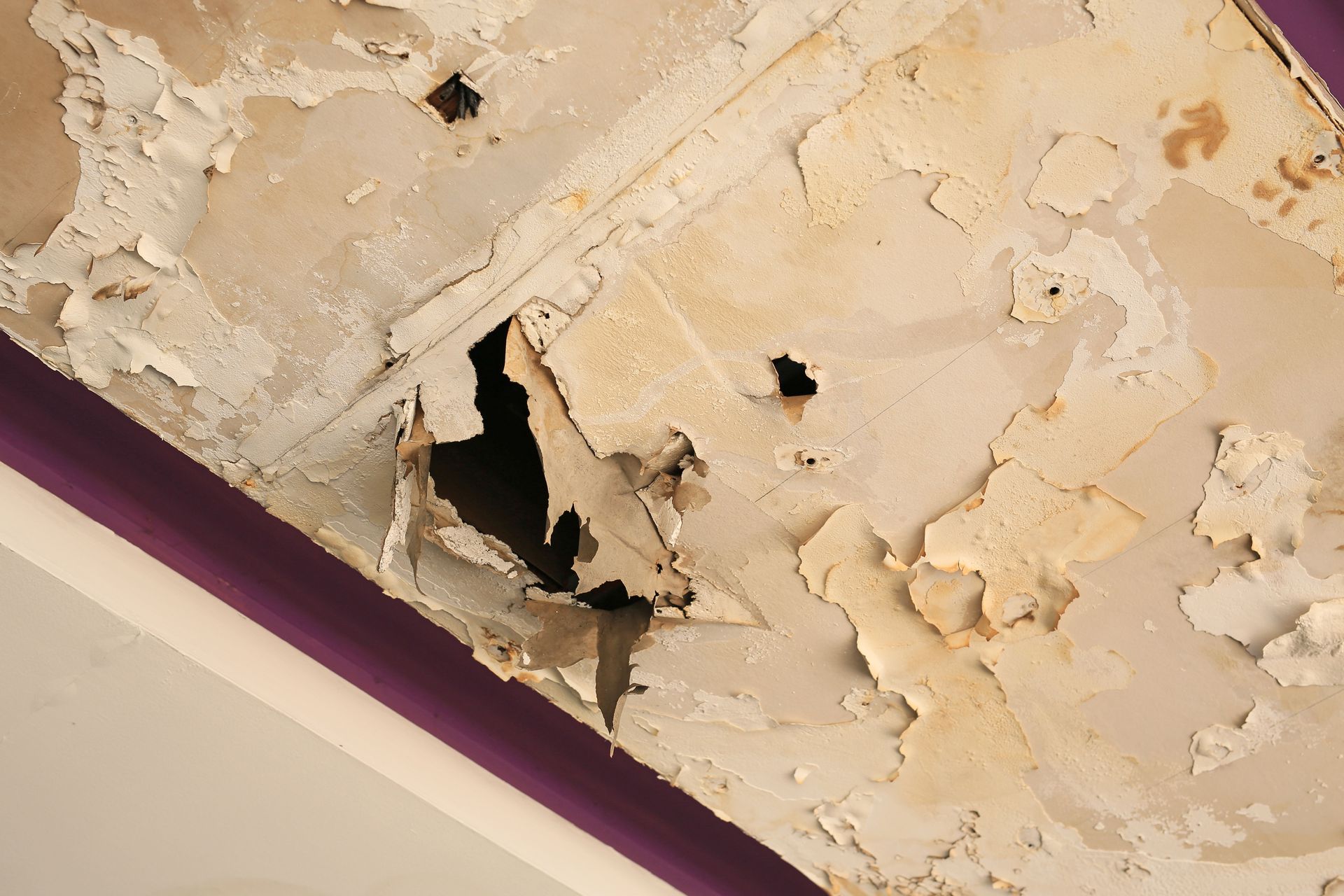
Moisture is one of the most damaging forces that drywall encounters in a residential environment, and both chronic high humidity and acute water exposure from leaks or flooding can compromise the structural integrity of the gypsum core and the paper facing in ways that create visible deterioration, mold growth, and eventual loss of surface cohesion. Local drywall companies consistently identify moisture intrusion as the leading cause of premature drywall failure in Connecticut homes, where seasonal humidity fluctuations and the particular vulnerabilities of basement and bathroom spaces create ongoing challenges for standard drywall materials not specifically formulated for those conditions. Drywall water damage repair services address the visible and structural consequences of moisture exposure, but preventing that exposure in the first place through proper moisture management, appropriate material selection, and vigilant maintenance of plumbing, roofing, and weatherproofing systems is the most reliable way to protect the investment over the long term.
3. The Type of Drywall Used for Each Application
Not all drywall panels are formulated for the same applications, and using standard drywall in a space that requires moisture-resistant, fire-rated, or soundproofing material is one of the most common causes of premature deterioration that local drywall companies encounter when evaluating homes with problem walls. Fire-rated assemblies in commercial and residential settings require specially formulated panels that maintain their integrity under heat and flame exposure in ways that standard panels cannot replicate, and using the wrong material in a fire-rated application compromises both the regulatory compliance and the physical protection that the assembly was designed to provide. Selecting the correct drywall type for each specific location in the home — including soundproofing drywall installation in media rooms and shared walls, moisture-resistant material in bathrooms, and fire-rated panels in garages and stairwells — is a decision that experienced professionals make systematically based on the requirements of each space rather than defaulting to a single product across the entire project.
4. Structural Movement and Foundation Settlement
Homes naturally shift and settle over time as the soil beneath the foundation compresses, seasonal temperature changes cause framing members to expand and contract, and the cumulative loads of occupancy and weather create movement throughout the structure that the wall surfaces must accommodate without cracking or separating at the seams. Local drywall companies in Connecticut regularly see settlement cracks and nail pops on older homes where decades of structural movement have progressively stressed the seams and fastener points of the original installation to the point where visible damage has developed on surfaces that were originally installed correctly. Addressing structural movement-related drywall damage requires understanding whether the underlying movement has stabilized before completing repairs, because filling cracks in walls that are still actively moving will produce repairs that reopen in relatively short order under the same forces that created the original damage.
5. Physical Impact and Everyday Wear
Drywall is a resilient material under normal conditions, but it is not impervious to the physical impacts of daily residential life, and holes, dents, and surface gouges from furniture, doorknobs, and accidental impacts are among the most frequently encountered forms of damage that local drywall companies repair in residential settings throughout Connecticut. Drywall hole repair services address these physical damage points with precision patching techniques that restore both the structural and visual continuity of the affected surface, matching the texture and finish of the surrounding wall so that the repair is seamless and the damage is functionally and visually eliminated. High-traffic areas of the home, including hallways, stairwells, and entry spaces, are particularly prone to physical impact damage, and selecting thicker panel gauges for these locations during an installation or renovation project can meaningfully reduce the frequency and severity of damage that accumulates over the years the surface remains in service.
6. Ceiling Installation Challenges and Gravity
Ceiling drywall faces a unique set of durability challenges because it must resist the continuous downward pull of its own weight over years of service while also withstanding the vibration, thermal movement, and moisture migration that occur in the space between the ceiling surface and the floor above it or the roof structure overhead. Local drywall companies that specialize in ceiling drywall installation understand the fastener requirements, panel orientation, and structural support spacing that keep ceiling panels firmly attached and properly supported throughout the life of the installation without developing the sag, nail pops, or joint separations that inadequately supported ceilings develop over time. Popcorn ceiling repair services address the surface deterioration that older textured ceilings develop as the applied coating ages, absorbs moisture, and loses adhesion to the underlying drywall in ways that eventually require professional remediation to restore the ceiling's appearance and structural integrity.
Drywall durability is not simply a function of the material itself — it is the combined result of proper installation, appropriate material selection, ongoing moisture management, prompt repair of physical damage, and professional finishing that protects the surface throughout every year of the home's occupation. Understanding which factors are within your control as a homeowner and which require professional intervention gives you the knowledge to make smarter decisions about when to act and who to call before small issues compound into more significant and more expensive repairs. Bruno Massaro and Sons Inc has proudly served homeowners and commercial clients throughout Connecticut since 1960, offering residential and commercial drywall installation, basement drywall installation, ceiling drywall installation, soundproofing drywall installation, fire-rated assemblies, drywall repair services, drywall ceiling and hole and water damage repair, popcorn ceiling repair, plaster restoration, skim coating, texturing and painting services, and wall removal services, all backed by over 60 years of second-generation family expertise, American-made products, warranties available, emergency services, free quotes, quick response times, permit pulling, and insurance work — the local drywall companies Connecticut homeowners have depended on for quality and reliability for more than six decades. For more information, contact us today!