October 25, 2026
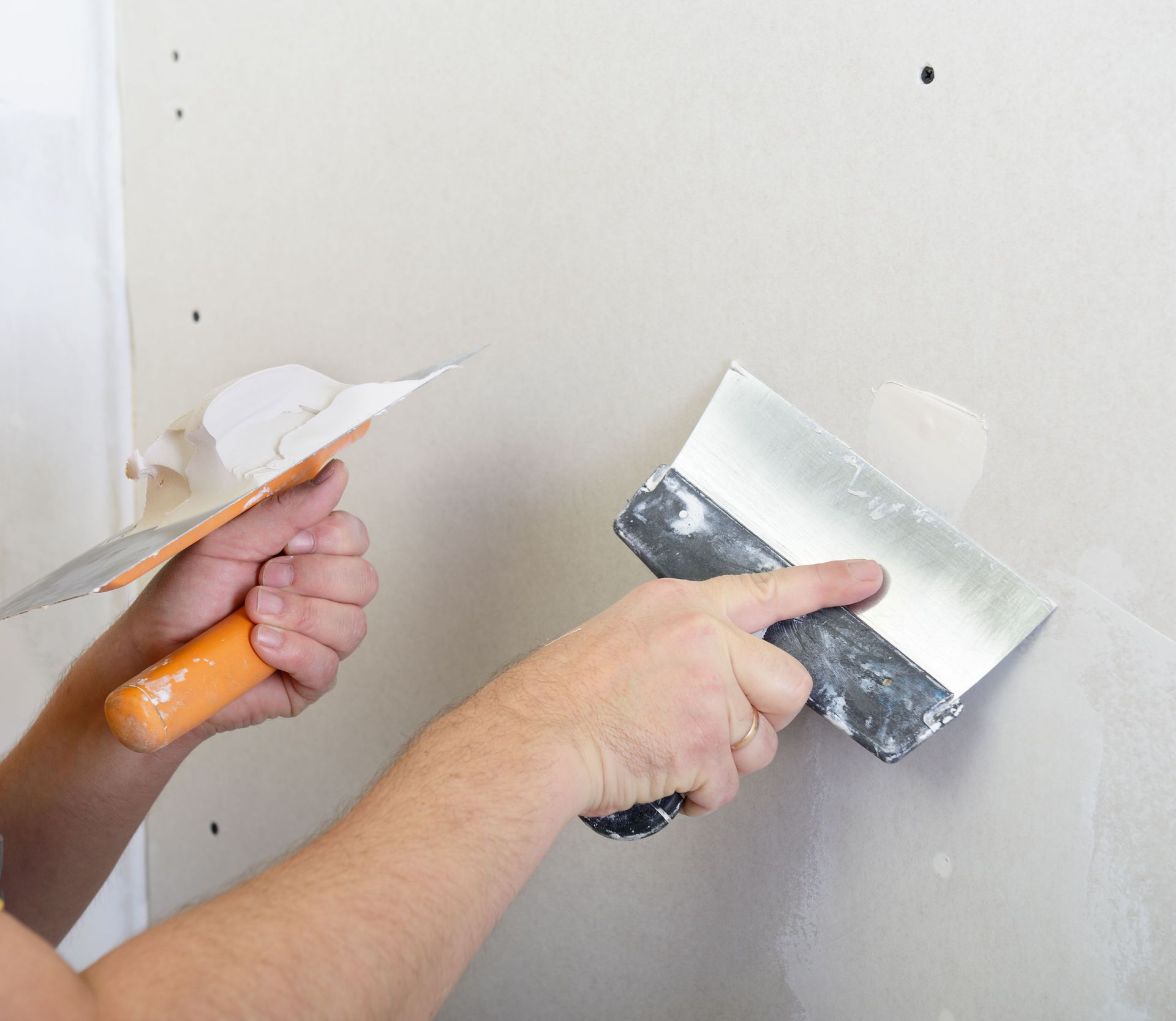
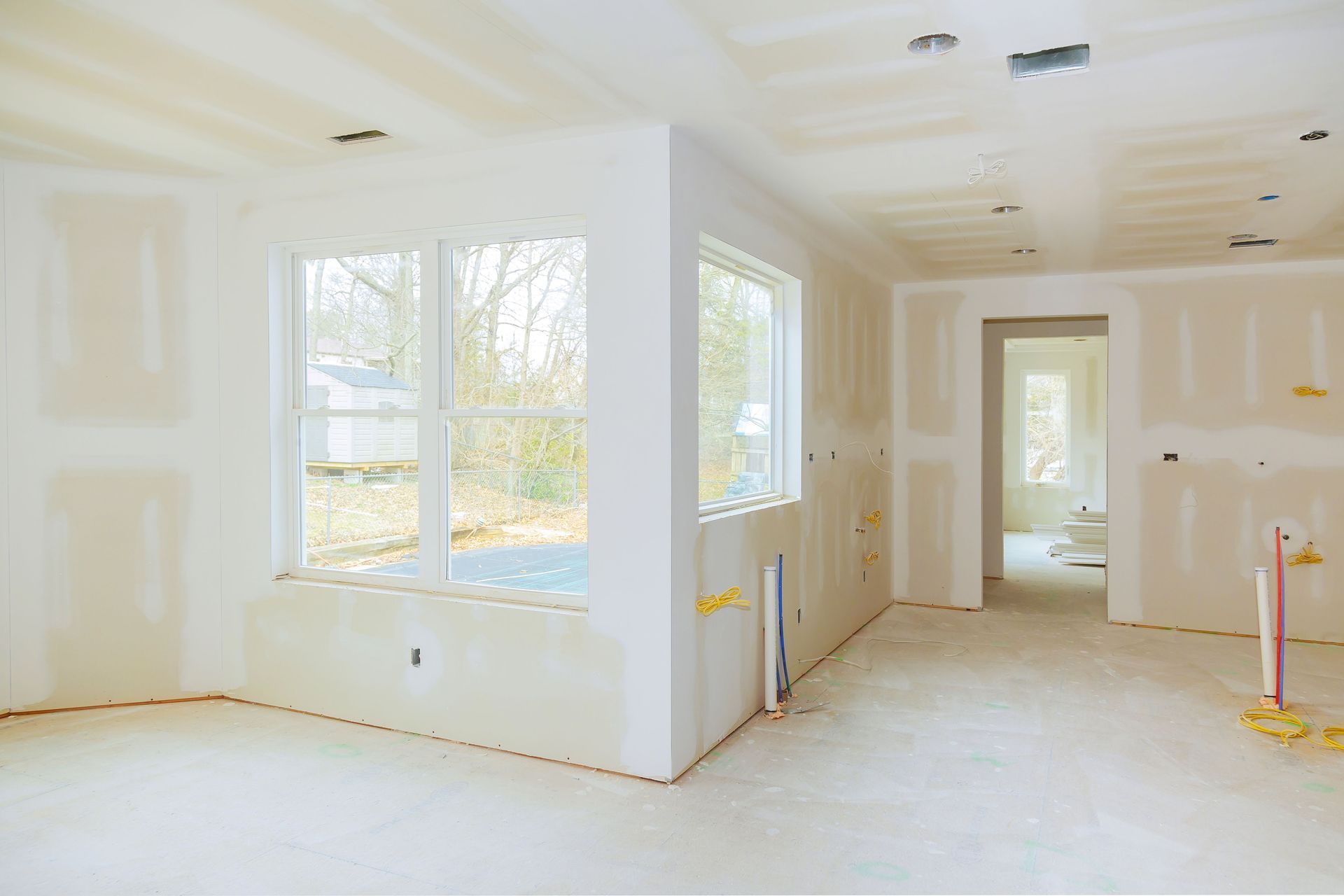
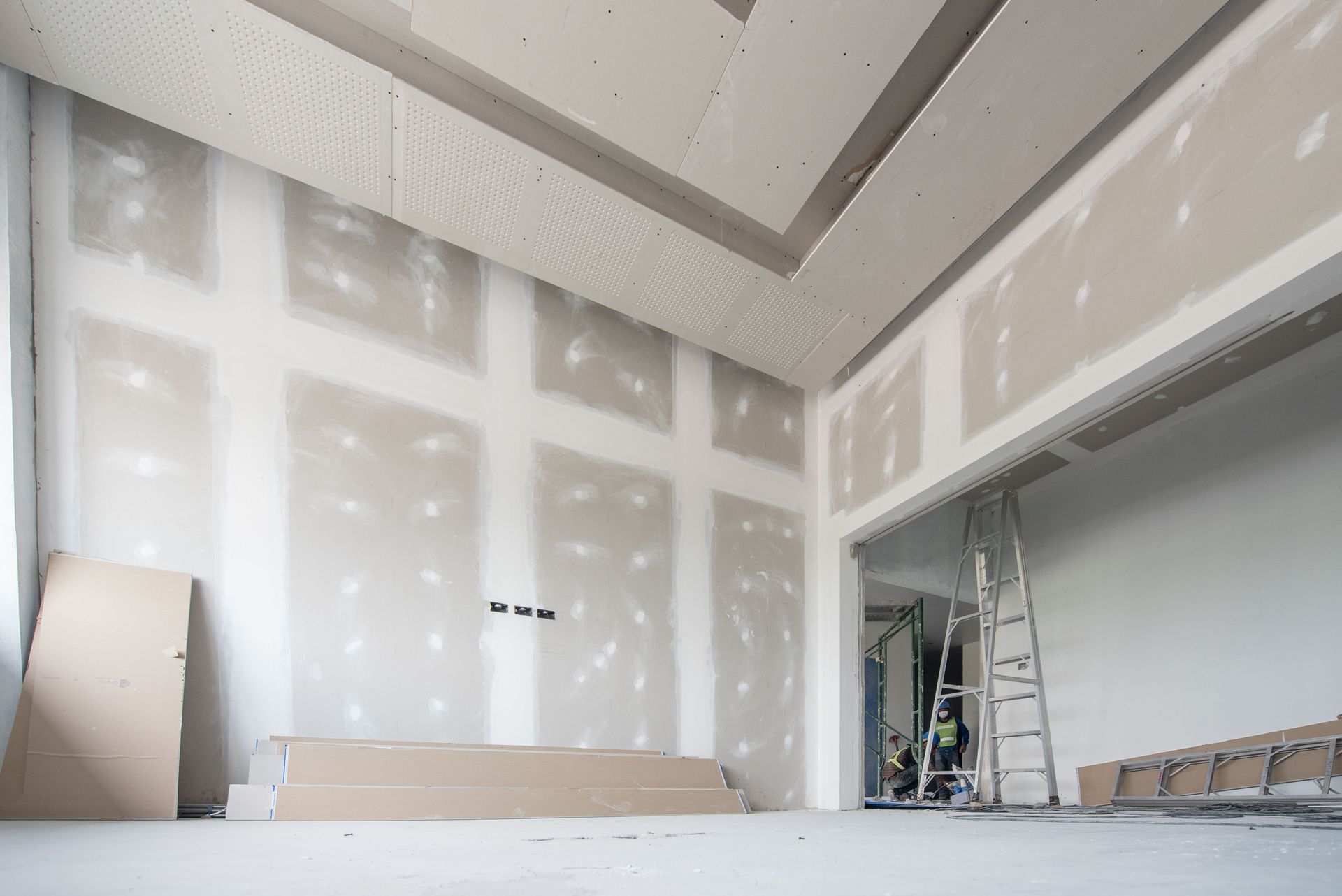
Maintaining the structural integrity and aesthetic appeal of your home requires consistent attention to every surface. When small cracks, dents, or water marks appear on interior surfaces, property owners often dismiss them as minor cosmetic flaws. However, postponing necessary restoration can allow subtle wall defects to escalate into extensive structural issues. Ignoring minor wall damage creates a domino effect throughout the property, gradually compromising stability, insulation, and indoor air quality. When homeowners delay essential maintenance, minor imperfections transform into complicated challenges that demand extensive remediation work later on. Promptly acquiring professional drywall repair services allows property owners to protect their building structures, maintain clean environments, and preserve attractive living spaces without facing compound damages over time.
1. Mold and Mildew Expansion
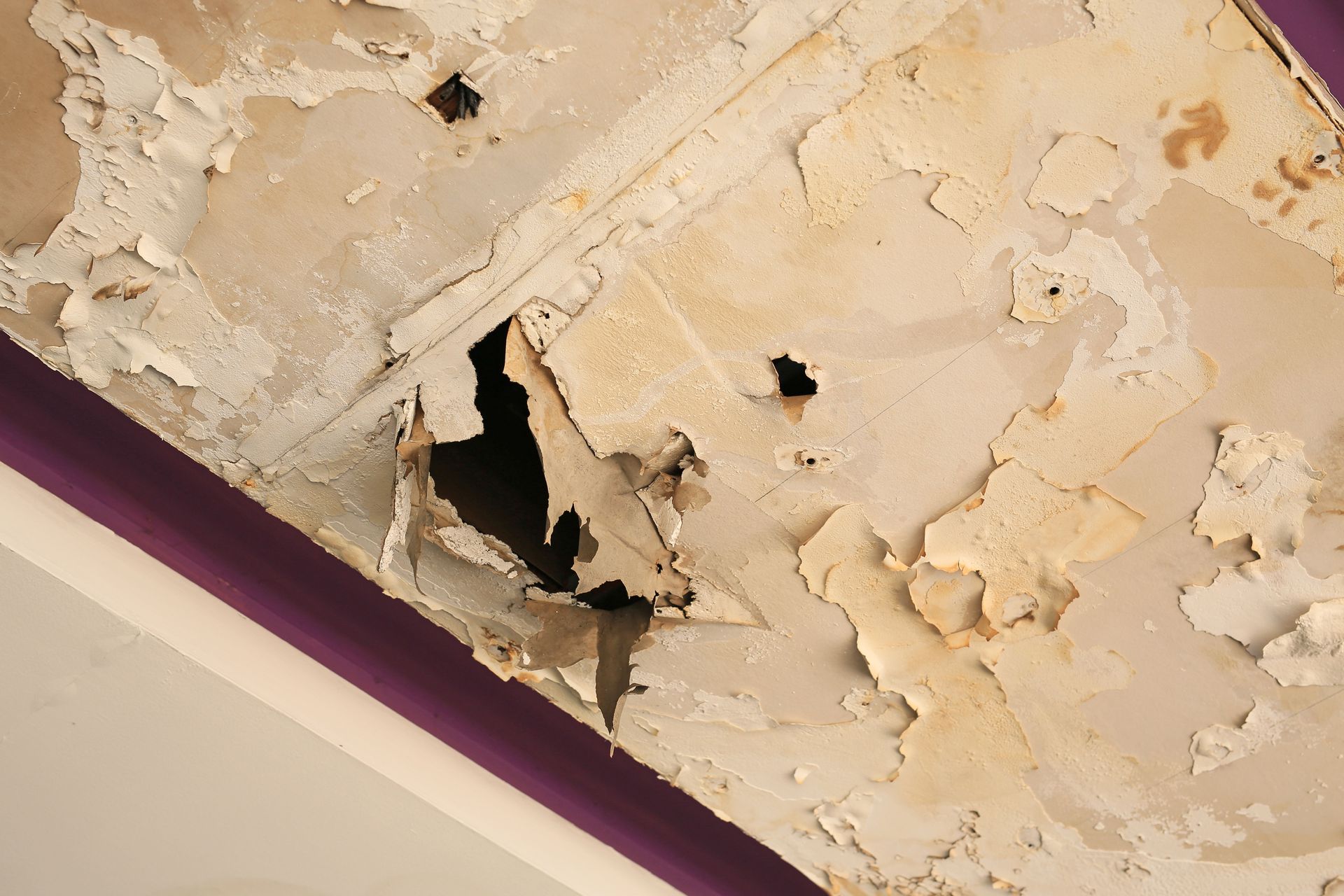
Water exposure is one of the most destructive elements that can impact interior wall structures. When plumbing leaks, high humidity, or roof drips introduce moisture into interior surfaces, porous wall materials absorb the fluid like a sponge. Dark, damp cavities behind wall surfaces provide ideal breeding grounds for fungi. Once mold spores take root within the internal dampness, they rapidly spread behind structural panels, spreading throughout entire rooms long before becoming visible on outer surface finishes. Unchecked fungal growth degrades interior building materials, creates persistent foul odors, and contaminates the air circulating within the property.
According to HomeGuide, properly maintained wallboard can last 30 to 75 years, although moisture, termites, and other pests can reduce that lifespan. Ignoring early indications of moisture damage drastically reduces this duration, leading to premature material breakdown and widespread contamination. When dampness penetrates wall panels, prompt intervention is necessary to contain the damage before spores infiltrate insulation and underlying wooden framing. Arranging for professional drywall repair services at the first sign of moisture discoloration or surface softening stops mold propagation in its tracks. Timely restoration removes contaminated material, seals moisture pathways, and preserves the clean environment of your indoor spaces.
2. Structural Frame Damage
Interior walls are designed to complement the structural framework of a building, providing lateral support and protecting the internal skeleton of the property. When wall panels develop deep fractures, large holes, or persistent structural sagging, their ability to stabilize interior environments diminishes. Cracks often indicate underlying movement, such as foundation settling or framing shifts. Leaving these fractures open allows external environmental stresses and structural shifts to press directly against timber studs and support beams. Over time, sustained pressure and shifting environmental conditions weaken the surrounding framing, causing doors to stick, windows to jam, and ceilings to drop out of alignment.
Allowing structural stress cracks to persist without intervention places continuous strain on the overall architecture. Small surface cracks gradually broaden as everyday building vibrations and seasonal climate shifts expand the gaps. By enlisting specialized drywall repair services as soon as structural imperfections surface, homeowners prevent minor shifts from turning into severe wall shifts. Qualified technicians stabilize damaged areas, reinforce surrounding framing, and restore structural balance across affected wall panels. Addressing these structural indicators early ensures that the entire framing system remains sturdy, aligned, and protected against continuing structural degradation.
3. Pest and Insect Infestations
Small gaps, holes, and unsealed seams in interior walls act as open invitations for unwanted pests. Insects and small rodents continually search for tiny entry points to gain access to warm, sheltered interior cavities during changing weather conditions. Once pests enter wall cavities, they find safe nesting environments near electrical wiring, insulation, and wooden studs. Rodents chew through internal components, while insects construct extensive colonies inside hollow wall cavities. What begins as a tiny hairline fracture or minor impact hole can quickly turn into a major pest pathway, compromising hygiene and damaging internal building elements.
Pest infestations inside wall cavities often remain hidden until significant internal destruction occurs. Intruders use internal wall pathways to travel freely between rooms, contaminating living zones and causing structural harm from the inside out. Securing experienced drywall repair services eliminates these vulnerable pathways by sealing structural breaches, filling hollow cavities, and securing internal walls. Professional technicians patch openings with durable materials that block potential entry paths, keeping unwelcome pests out of interior wall spaces. Closing wall gaps promptly safeguards property boundaries and maintains a clean, hygienic domestic environment.
4. Indoor Air Quality Degradation
The condition of interior wall surfaces directly influences the quality of the air breathed inside a building. Crumbling wall panels, unsealed joint compound, and deteriorating gypsum continuously shed fine dust particles into indoor environments. Forced-air heating and cooling systems pick up these airborne particulates and circulate them throughout living areas. Continuous exposure to floating dust, disintegrated drywall fibers, and trapped allergens creates uncomfortable indoor surroundings. Occupants may experience increased respiratory discomfort, persistent coughing, eye irritation, and heightened allergy symptoms as floating dust levels steadily increase inside living spaces.
Ignoring deteriorating wall sections allows airborne particles to continuously pollute indoor air streams. Cracks and unsealed edges also allow dust, insulation fibers, and hidden allergens from inside wall cavities to enter occupied rooms. Choosing comprehensive drywall repair services resolves these air quality issues at their source by removing compromised materials, smoothing rough patches, and applying tight protective seals over affected areas. Restoring damaged wall surfaces halts particle shedding, prevents internal dust migration, and keeps indoor air clean and healthy for everyone residing inside the property.
5. Surface Crack Expansion
Initial surface cracks might appear harmless, but minor hairline fractures rarely stay small over time. Natural building movement, temperature fluctuations, and changing humidity levels cause wall materials to expand and contract constantly. This continuous physical motion exerts stress along existing weak points, causing tiny stress lines to lengthen, widen, and branch out across broad wall sections. Flaking paint and peeling tape joints frequently accompany expanding cracks, transforming minor cosmetic flaws into unsightly wall defects that spoil the appearance of decorated rooms.
Allowing surface fractures to grow unchecked complicates future restoration efforts. Wide fractures often indicate that wall panels have detached from supporting studs, leaving large sections unstable and prone to sagging. Scheduling targeted drywall repair services at the first sign of cracking prevents localized fractures from spreading across broader surface areas. Expert restoration restores full surface cohesion, secures loose panel edges, and prepares walls for smooth finishing layers. Addressing minor cracks promptly maintains smooth, flawless wall finishes throughout every room in the property.
6. Insulation Performance Reduction
Interior walls play a vital role in maintaining controlled indoor temperatures by enclosing thermal insulation within sealed structural cavities. When holes, cracks, or unsealed seams penetrate wall surfaces, conditioned indoor air easily escapes into hollow wall spaces while outside air drafts penetrate living areas. Drafts force heating and cooling systems to work continuously to keep indoor temperatures comfortable. Wall punctures impair overall thermal efficiency, creating distinct cold spots during winter months and uncomfortable warm zones during summer seasons. Unsealed wall gaps allow regulated air to leak out continuously, disrupting consistent indoor temperature control.
Neglecting wall damage undermines the effectiveness of thermal insulation layers hidden behind interior panels. Air leaks passing through unsealed wall openings force HVAC systems to operate longer to maintain preferred comfort levels. Contracting dependable drywall repair services restores the airtight seal of interior walls, keeping thermal insulation fully functional and contained. Expert technicians patch gaps, seal open joints, and eliminate draft sources across all wall surfaces. Restoring wall integrity stops air leakage, stabilizes internal room temperatures, and ensures comfortable living conditions throughout every season of the year.
If you are ready for restored interior walls and a healthier home environment, contact us at Bruno Massaro & Sons Inc today. We will help you eliminate wall defects and restore lasting beauty to your property.